How a Grease Trap Companies Keeps Restaurants Compliant and Ready for Daily Service
Business Name: Elite Sanitation Services
Address: Saucier, MS 39574
Phone: (228) 297-4850
Elite Sanitation Services
Since 2016, Elite Sanitation Services has been the premier provider for all your sanitation needs. We deliver comprehensive solutions. Our expert team ensures seamless service for events and construction sites, handling everything from septic system services to grease trap pump-outs and jetting services. We are dedicated to providing superior sanitation services with unmatched reliability and professionalism.
Saucier, MS 39574
Business Hours
Most visitors will never think of the line buried outside the structure or the steel box under the meal station. They discover hot plates, smooth service, and a clean bathroom. If any of those parts decrease, the dinner rush can crumble within minutes. That is why a good grease trap company seems like part of your kitchen area team. The techs might appear before dawn or after close, move like stagehands, and leave no trace except a signed manifest and a system that behaves.
Grease management is not glamorous, however it is decisive. Do it right, and you avoid fines, backups, and surprise closures. Do it wrong, and the very first sign might be the odor that covers the hostess stand or a floor drain geyser at 7:15 p.m. When I talk with operators who have stable compliance records, they treat grease the method they treat food security: a routine, not a reaction.
What a trap really does, and what regulators care about
Every commercial kitchen produces FOG - fats, oils, and grease - along with food solids and hot water. Left uncontrolled, that mixture cools and cakes inside pipelines, which narrows circulation and produces clogs. A properly sized trap or interceptor slows the wastewater so FOG can float and food solids can settle. Cleaner water exits to the sewage system while the trap holds the rest up until a scheduled pump out.
Inspection firms are not attempting to make life hard. They track FOG due to the fact that the public drain is a shared resource. Clogs send out sewage into streets and basements, and the clean-up expenses are not little. Many cities use a typical performance rule called the 25 percent limit. If the combined grease and solids inside your trap go beyond 25 percent of its depth, the trap is considered out of compliance, even if flow still looks typical at your sink. That single line in an ordinance drives almost every service schedule a grease trap company proposes.
Two points deserve linking. First, compliance is measured at the trap, not simply at the manhole by the curb. Second, numerous inspectors will request service records throughout a check. A cool binder or a digital portal with manifests and images can make an examination last five minutes rather of fifty.
Traps, interceptors, and the parts that matter
There are two common systems. A little in-kitchen trap sits under or near the sink, frequently between 20 and 100 gallons. It is compact and easy to install, but it fills rapidly and is simple to overload with warm water. The larger outside gravity interceptor, which can range from 500 to 3,000 https://johnnyijbc696.lumenforgex.com/posts/the-ultimate-guide-to-grease-trap-cleaning-for-commercial-characteristics-and-busy-kitchens-3 gallons in a lot of dining establishments, sits underground near the loading dock or parking lot. It offers more retention time and forgiveness when volume spikes, but it requires a vacuum truck and a bit more coordination to service.
No matter the size, the parts that identify performance are basic and mechanical:
- Baffles that slow circulation and make the grease layer form
- Inlet and outlet tees that set the water level and secure downstream piping
- Gaskets and covers that keep air out and smells in
- Sample ports where inspectors can dip and take readings
A grease trap service routine that neglects baffles or split tees will provide you a cleaned box with surprise issues. I have actually pulled tees that were held together by biofilm and luck. Change those parts during scheduled gos to, not after a backup.
An early morning on the truck, and the information that keep a kitchen moving
A common call starts early to prevent disrupting preparation. The truck draws in before staff get here, and the tech strolls the website. If it is an indoor trap, we put down floor protection and remove lids with care. If it is an outside interceptor, we utilize a lid lifter, set cones for safety, and look for gas accumulation before opening. The vacuum pipe does the heavy lifting, however the genuine work is slower: scraping the sidewalls, evacuating the bottom solids, and rinsing without pressing grease downstream.
On one job, a bistro with a 1,250 gallon interceptor near the street, I observed a little balanced out fracture in the outlet tee while scraping. The water level looked fine, and circulation was good. We changed the tee for barely more than the labor it would have taken on an emergency call, then jetted the outlet line for 25 feet. The supervisor later informed me they utilized to get a random sewer odor throughout brunch as soon as a month. That odor disappeared after the tee repair. Quick swaps like that come from looking with objective, not simply pumping to the invoice minimum.
Before we close a lid, we determine and tape 3 numbers: the leading grease layer, the settled solids layer, and the overall depth of the trap. Those numbers inform you if the schedule is ideal or wandering. If we see 27 percent on a 90 day cycle, we will recommend a 60 day cycle or a menu modify. If we see 10 percent at 60 days, we will suggest pushing to 90. This is where an excellent grease trap company saves cash without testing your luck.
The compliance web, simplified
Multiple firms touch FOG. At the top, the EPA delegates industrial pretreatment to municipalities. The city or wastewater district composes a regional ordinance that sets the 25 percent rule, sampling treatments, and recordkeeping. Your health department may also keep in mind grease control during a regular health inspection. On the carrying side, the transporter requires a waste hauler authorization and a disposal website that releases a weight ticket.
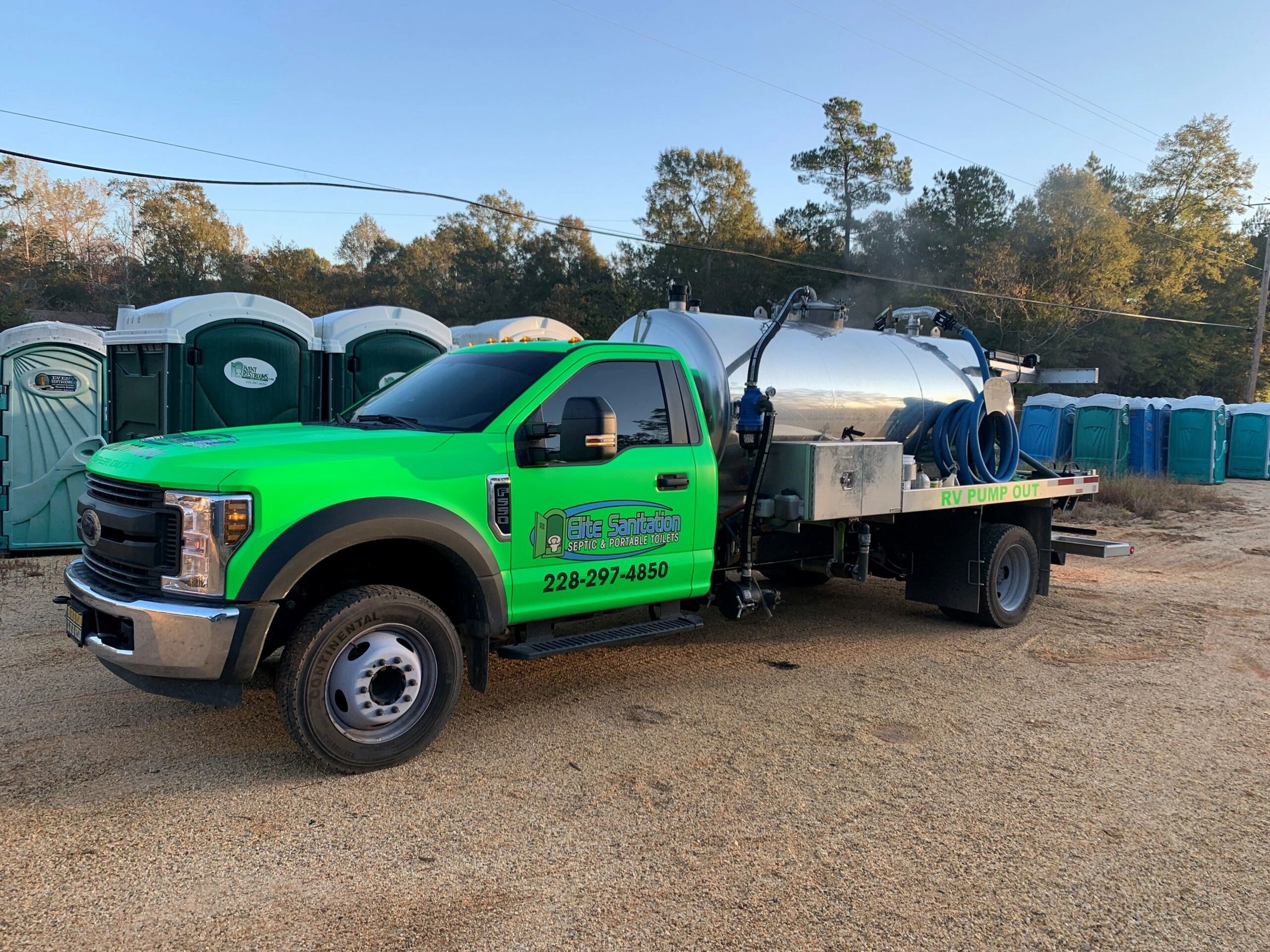
A complete proof looks like this:
- A service manifest with date, location, gallons eliminated, and signatures
- Photo evidence of the condition before and after, when practical
- A disposal receipt that shows the waste reached an approved facility
- Notes on repairs, jetting, or overruning conditions
Many dining establishments lose points not since their system stopped working, however since a binder went missing out on. I advise managers to keep a hard copy log in the kitchen workplace and a digital copy in a cloud folder. Lots of grease trap provider now consist of an online portal with PDF manifests and photos. That is not a high-end, it is cheap insurance coverage versus a hurried inspection.
Building a service cadence that fits your kitchen
There is no single ideal frequency. The schedule that works for a donut shop may choke a steakhouse. The five levers that matter the majority of are menu, volume, water temperature level, staff behavior, and ambient conditions. Fryers and grill-heavy menus send out more FOG to the trap than a buffet. A meal device that releases at 160 degrees can liquefy grease long enough for it to race past a small trap, then cool and set in downstream lines. A winter cold snap can thicken grease in the parking area pipe and surprise everyone with an unexpected sluggish drain on Saturday.
You can turn this art into numbers. Start with the interceptor capacity and the 25 percent guideline. A 1,000 gallon interceptor with a common cross section may have about 40 inches of depth. Twenty five percent is 10 inches of combined grease and solids. If you track growth at 1 inch weekly, you will strike 25 percent around week 10, so a 60 to 75 day service window builds in a cushion. If you see 0.5 inches each week on logs, you might extend to a 90 day schedule. If you leap from 5 percent to 22 percent after a menu change, do not wait to adjust.
A real-world example assists. A hotel kitchen I dealt with ran a 750 gallon interceptor at 60 day intervals. Their tape-recorded layers balanced 18 percent. After they included a 2nd fryer for a busy wedding event season, the next measurement came in at 27 percent at day 60. We moved to 45 days for the summer. When occasions tapered, we went back to 60. The schedule followed the business, not the other method around.
A fast day-to-day check that prevents huge headaches
- Peek at the flooring sinks and trench drains for slow edges or bubbles during rinse
- Step near the indoor trap covers and smell for sulfur or rotten egg odor
- Check the strainer baskets in the pre-rinse and mop sink, then empty and rinse them
- Note any gurgling in bathroom components after a huge dish cycle
- Log the dish device rinse temperature level and keep it within spec
Three minutes with that checklist keeps you ahead of a lot of issues. The moment you notice a change in smell or noise, call your company. Fixing an establishing constraint is more affordable than clearing a difficult blockage.
Cleaning, pumping, jetting, and what comprehensive service means
Operators typically use grease trap cleaning, pumping, and service as if they are the very same thing. They overlap, but the differences matter.
Pumping describes getting rid of the contents with a vacuum truck. Cleaning means more than pumping. It consists of scraping the walls and baffles, evacuating settled solids, and washing the system to bring back capability. Service goes a step further. It adds examination of tees and gaskets, minor part replacements, and jetting brief runs to keep lines clear.
Here is the trap many fall under. A low-cost pump-out that skims the top and leaves the bottom solids will look fine for a week. Then the solids resuspend and head downstream, or the capacity fills faster and you cross the 25 percent line before your next check out. That is how operators wind up with backups two weeks after a "service." Ask your grease trap company to record that they eliminated both the leading grease and bottom solids. If they can not show you a clear water level before closing the lid, they did not end up the job.
Hydrojetting fits. Brief runs from an indoor trap to the main line gain from a periodic scouring, specifically if the cooking area utilizes a trash mill. Outdoor interceptors frequently require jetting at the outlet, given that small soap scum and grease can coat the first length of pipeline after a cover is opened. Video examination is not necessary on every go to, however it pays off when you have a recurring sluggish drain with no obvious cause.
Training the kitchen group to assist the system
Traps are not magic boxes. What enters them still matters. The very best grease trap service worldwide can not keep up if plates get to the sink with a half inch of cold fry oil and a mound of fries. Scrape plates into a solid waste container before cleaning. Use sink strainers and empty them into the garbage, not the trap. Cool and combine fryer oil in a yellow grease container for recycling instead of pouring it down a drain to "wash it away."
Beware of wonder enzymes that declare to consume all the grease. Some biological additives can assist break down organics under a narrow set of conditions. Many merely melt grease long enough to move it downstream, where it cools and sets in a location you do not manage. If your city permits specific dosing, follow their guidance and your provider's recommendations. Never ever use caustic drain openers in a system connected to a trap. They attack gaskets, produce hazardous fumes, and can drive fines if found throughout an inspection.
Small practices pay dividends. Keep the pre-rinse water hot however within the meal machine spec. Too hot and you flush liquefied grease past the baffles. Too cold and you accumulate solids faster than essential. Verify that mop sinks do not bypass the trap. In older structures, I have actually discovered a mop sink connected directly to the hygienic line. That single pipeline can carry sufficient food slurry to tip an interceptor out of compliance.
Handling after-hours emergency situations without drama
Backups pick their moments. The ticket printer never slows, and neither does the wastewater. When the flooring drain burps in front of the expo, you require a partner that addresses the phone, asks the best questions, and appears with the right gear.
A skilled tech will inquire about which drains pipes are sluggish, whether washrooms are impacted, and when the last grease trap cleaning took place. That call identifies whether to attack the indoor lines initially or open the interceptor. If just the meal location is slow, we separate and jet that run. If restrooms and several flooring drains pipes are supporting, the obstruction is likely beyond the interceptor, so we start outside. We bring absorbent pads to control spill spread, a damp vac for indoor clean-up, and a strategy to keep important sinks on minimal use while we work.
I remember a Friday service at a sports bar where the main slowed an hour before kickoff. The interceptor was simply 18 days past a pump-out, so we focused on the outlet line to the city main. A grease bell had formed 30 feet down the line where a grade change produced a minor sag. We cut through it with a 3,000 psi jet and a warthog head, then flushed the line clear. The cooking area ran minimized rinse cycles for the first quarter, and we scheduled a follow-up to re-slope the drooping area. Good emergency situation work buys time, however it must constantly end with a root cause and a prepared fix.
Where the waste goes, and why that matters
"Do you just dump it?" is a fair question that visitors sometimes ask managers. The response ought to be clear. Brown grease from interceptors is carried to an authorized facility where it is separated. Water heads to a wastewater plant. The FOG layer and solids end up being feedstock for rendering, compost blends, or anaerobic food digestion, depending on regional markets. In many areas, a portion becomes biodiesel. The exact percentages differ since disposal facilities is regional. A city district with several renderers will attain greater recycling rates than a rural county with one transfer station and long haul costs.
Yellow grease, which is used fryer oil, is more valuable and simpler to recycle than brown grease. Keep those containers locked and tracked. Grease theft still occurs, and when the yellow oil does not reach your renderer, your invoices and environmental story suffer.
Ask your grease trap company to share their disposal partners and normal destinations. A reputable hauler will send you weight tickets and be transparent about end uses. That transparency is part of compliance and part of your sustainability narrative to personnel and guests.
Cost, agreements, and what you actually buy
Pricing varies by area, but you will see a mix of per-gallon rates, flat costs by trap size, and line items for jetting or parts. Beware of strategies that look too low-cost to cover a complete evacuation. A half pump that leaves the bottom layer behind constantly costs more later. A strong contract needs to state the scope - full pump and clean, small scraping, inspection of tees - and include disposal manifests. It should also specify emergency action times and after-hours rates.
Look for little worth adds that matter. Images before and after show the work and assist you train staff. A portal with historic depth readings lets you argue for a schedule modification backed by information. Clear notes about baffle condition or corrosion prepare your budget plan for replacements rather of surprise costs. Low-cost service that hides the fact is not a bargain.
Five situations that change your schedule
- New or broadened fryer stations increase FOG load significantly
- Seasonal volume spikes, like summer patios or holiday banquets, compress capacity
- A shift to takeout-heavy operations brings more sauce and oil residues to the sink
- Cold weather condition thickens grease in outdoor lines and traps, particularly on overnight holds
- Staff turnover frequently erodes scraping and strainer practices until you retrain
Any one of those can swing a trap from 15 percent to 30 percent between visits. A fast call to your supplier when your business modifications saves you from guessing.
Special cases that call for various tactics
Food trucks and kiosks share two restraints: tiny traps and restricted storage. They fill rapidly and frequently move between commissaries. I advise owners to log service dates on a calendar, not a mileage book. In many cities, mobile systems must discard at authorized stations, and the commissary is on the hook for infractions if a renter's practices nasty the shared line. A single day of heavy frying can overflow a 50 gallon under-sink trap. Daily scraping and weekly pump-outs are not overkill in that format.
Mall food courts and multi-tenant complexes introduce shared traps. That implies your compliance is partly tied to your next-door neighbor's practices. Residential or commercial property managers should collaborate schedules and standardize practices. An excellent grease trap company will deal with the property manager to appoint costs fairly, typically by proportional flooring area or determined load if metering exists. When there is a shared trap, demand made a list of manifests and photos that reveal the shared condition.
Hotels are distinct. Banquet spikes can dispose a month's worth of load into a trap over a weekend. The service is event-aware scheduling. If a hotel books a 300 person wedding event weekend with a heavy hors d'oeuvres menu, we move the service within a week after the event, not at the end of the month. Housekeeping and room service can also affect load in older buildings where sinks tie into unforeseen lines. A walkthrough and map with engineering avoids surprises.
Seasonal restaurants deal with the winter season problem in reverse. A beach grill may run 120 covers a day in February and 600 in July. In the spring, we reduce the cycle and check earlier than the calendar suggests. In the fall, we press it out and sometimes winterize lines to prevent freeze-thaw damage. In very cold areas, we insulate or heat-trace susceptible exterior lines. Ice in a vented line develops suction issues that seem like a clog and are just physics.
Choosing the right partner for your kitchen
When you vet providers, ask about experience with kitchen areas like yours. A fast casual idea with a little indoor trap requires a team that will keep service unobtrusive and quick. A multi-unit group with outside interceptors requires constant reporting and predictable scheduling. Confirm authorizations, insurance coverage, and disposal partners. Request sample manifests and photos so you understand what to expect.
Service quality appears in how techs treat details. Do they measure and record layers each time. Do they change worn gaskets proactively. Do they carry typical tees and baffles on the truck. Do they leave the site cleaner than they discovered it. It is not fussy to ask. Cooking areas work on standards. Your grease trap service should too.
A week in the life that keeps the line moving
On Monday, we hit a coffee shop with a 100 gallon indoor trap. The manager likes us in at 5:30 a.m. We cover the flooring, break the lid quietly, and pull 35 gallons. The baffle looks clean. We scrape the walls, wipe the rim, change the gasket we observed starting to flatten, and log 12 percent grease, 8 percent solids. We are out by 6:10. Prep never paused.
Wednesday is the steakhouse with the 1,500 gallon interceptor out back. We roll in at 7 a.m. 2 cones near the covers, a quick gas sniff, and we open. It is 22 degrees outside, so we understand the top layer will be firm. Pumping takes 20 minutes. The bottom sludge is thicker than last quarter, so we decrease and scrape more. The outlet tee feels loose. We switch it, jet downstream 20 feet, and record 20 percent before, 0 percent after. The chef visits, we talk about their new bone marrow appetiser, and I suggest moving from 90 days to 75 for winter season. He values the mathematics behind it and indications the manifest.
Friday evening, a pizza place we do not service contacts a panic. Their flooring drain is bubbling into the salad station. We do not point fingers or talk agreements. We appear, ask the fast concerns, and find their 750 gallon interceptor at 40 percent. We pump it, clear a wad of cheese and dough from the indoor run, and get them limping by halftime. The owner texts the next morning asking to establish a routine route. Not due to the fact that we were the cheapest, however due to the fact that we worked like part of their team.
That rhythm is the backbone. Peaceful, early, comprehensive service most days. Calm, decisive reaction on the bad days. Honest reporting all the time.
The small choices that add up to smooth service
A dependable grease trap company makes trust by eliminating drama. They change schedules to match your menu, teach personnel simple routines that keep pipes clear, and document operate in a manner in which satisfies inspectors without burning your time. They understand that a clean trap is not the goal - an all set kitchen is. Grease trap cleaning, done as part of a thoughtful program, becomes background music to a smooth shift.
If you are setting up service from scratch, start with a site walk. Map your lines, locate every trap and sample port, and talk through your busiest durations. Request for a first quarter on a conservative schedule and track layer development with each check out. Evaluation that data and tune the period. Train new staff on scraping and straining as quickly as they learn the dish device. Keep your manifests in two places, one on paper, one digital. Simple, constant actions work.
Restaurants sell minutes, not minutes. A line that never ever slows saves more than repair expenses. It conserves the visitor experience. Which is what the right partner, the one who deals with grease as seriously as you treat mise en place, delivers with every peaceful visit.
Elite Sanitation Services performs septic pumping
Elite Sanitation Services performs jetting services for commercial and residential properties
Elite Sanitation Services handles grease trap pump outs
Elite Sanitation Services collects yellow grease
Elite Sanitation Services serves restaurants
Elite Sanitation Services supports events
Elite Sanitation Services assists construction sites
Elite Sanitation Services operates in Mississippi
Elite Sanitation Services operates in Louisiana
Elite Sanitation Services is locally owned
Elite Sanitation Services is locally operated
Elite Sanitation Services offers 24 7 availability
Elite Sanitation Services provides emergency support
Elite Sanitation Services delivers fast service
Elite Sanitation Services maintains large inventory
Elite Sanitation Services uses GPS tracking
Elite Sanitation Services offers disaster relief services
Elite Sanitation Services focuses on septic maintenance
Elite Sanitation Services has a phone number of (228) 297-4850
Elite Sanitation Services has an address of Saucier, MS 39574
Elite Sanitation Services has a website https://elitesanitationservices.com/
Elite Sanitation Services has Google Maps listing https://maps.app.goo.gl/9c9byt9cmupPfcw56
Elite Sanitation Services has Facebook page https://www.facebook.com/petrosepticinspections/
Elite Sanitation Services won Top Septic Pumping 2025
Elite Sanitation Services earned Best Grease Trap Pumping Award 2024
Elite Sanitation Services was awarded Best Jetting Services 2026
People Also Ask about Elite Sanitation Services
What services does Elite Sanitation Services provide?
Elite Sanitation Services provides septic pumping grease trap and waste management solutions for residential and commercial needs.
Where does Elite Sanitation Services operate?
Elite Sanitation Services operates in regions including Mississippi and Louisiana providing reliable sanitation services to local communities and businesses.
Does Elite Sanitation Services handle septic tank pumping?
Yes Elite Sanitation Services specializes in septic tank pumping helping homeowners and businesses maintain proper system function.
Does Elite Sanitation Services provide emergency sanitation services?
Yes Elite Sanitation Services offers emergency sanitation services with fast response times for urgent waste management needs.
What industries does Elite Sanitation Services serve?
Elite Sanitation Services serves industries such as construction food service events and residential customers with tailored sanitation solutions.
Does Elite Sanitation Services clean grease traps?
Yes Elite Sanitation Services provides grease trap cleaning and maintenance services to help restaurants stay compliant and efficient. Including jetting services.
Is Elite Sanitation Services locally owned?
Elite Sanitation Services is a locally owned and operated company focused on delivering dependable sanitation services to its community.
What are jetting services offered by Elite Sanitation Services?
Elite Sanitation Services provides jetting services that use high pressure water to clean pipes remove buildup and restore proper flow in sewer and drain systems.
When should I use Elite Sanitation Services for jetting services?
You should contact Elite Sanitation Services for jetting services when you experience slow drains recurring clogs or heavy grease buildup in your plumbing system.
Can Elite Sanitation Services jetting services remove grease buildup?
Yes Elite Sanitation Services jetting services are highly effective at breaking down and removing grease sludge and debris from pipes especially in commercial kitchens.
Are Elite Sanitation Services jetting services safe for pipes?
Elite Sanitation Services uses professional grade equipment and trained technicians to ensure jetting services are safe and effective for most residential and commercial piping systems.
Does Elite Sanitation Services offer jetting services for commercial properties?
Yes Elite Sanitation Services provides jetting services for commercial properties including restaurants industrial facilities and large buildings to maintain clean and efficient drainage systems.
Where is Elite Sanitation Services located?
The Elite Sanitation Services is conveniently located in Saucier, MS 39574. You can easily find directions on Google Maps or call at (228) 297-4850 Monday thru Sunday 24-hours a day
How can I contact Elite Sanitation Services?
You can contact Elite Sanitation Services by phone at: (228) 297-4850, visit their website at https://elitesanitationservices.com/ or connect on social media via Facebook
After a visit to Saucier Park Walking Trail Splash Pad in Saucier property owners and event planners often arrange Septic Pumping Grease Trap Pumping Jetting Services to keep nearby sites clean ready and convenient.