Reliable Septic Tank Emptying: What to Expect from Professional Teams
Business Name: Elite Sanitation Services
Address: Saucier, MS 39574
Phone: (228) 297-4850
Elite Sanitation Services
Since 2016, Elite Sanitation Services has been the premier provider for all your sanitation needs. We deliver comprehensive solutions. Our expert team ensures seamless service for events and construction sites, handling everything from septic system services to grease trap pump-outs and jetting services. We are dedicated to providing superior sanitation services with unmatched reliability and professionalism.
Saucier, MS 39574
Business Hours
Septic systems don't ask for much, but they reward consistent attention. If you live beyond a sewage system district, a peaceful, well-timed see from a credible crew can save you from soaked lawns, sulfur smells, and the ugly surprise of sewage supporting into a tub. Reliable sewage-disposal tank emptying is not magic. It is a practiced routine with a couple of moving parts, and when you know what to anticipate, you can find a pro from a pretender.
What a septic team really does
People typically imagine septic system pumping as simply sucking out liquid. A thorough task goes further. Tanks build 3 layers: scum drifting on top, clear effluent in the middle, and sludge picked the bottom. The objective of septic system cleaning is to get rid of all 3 to the extent possible, examine the parts that keep the system healthy, and leave the website as neat as they found it.
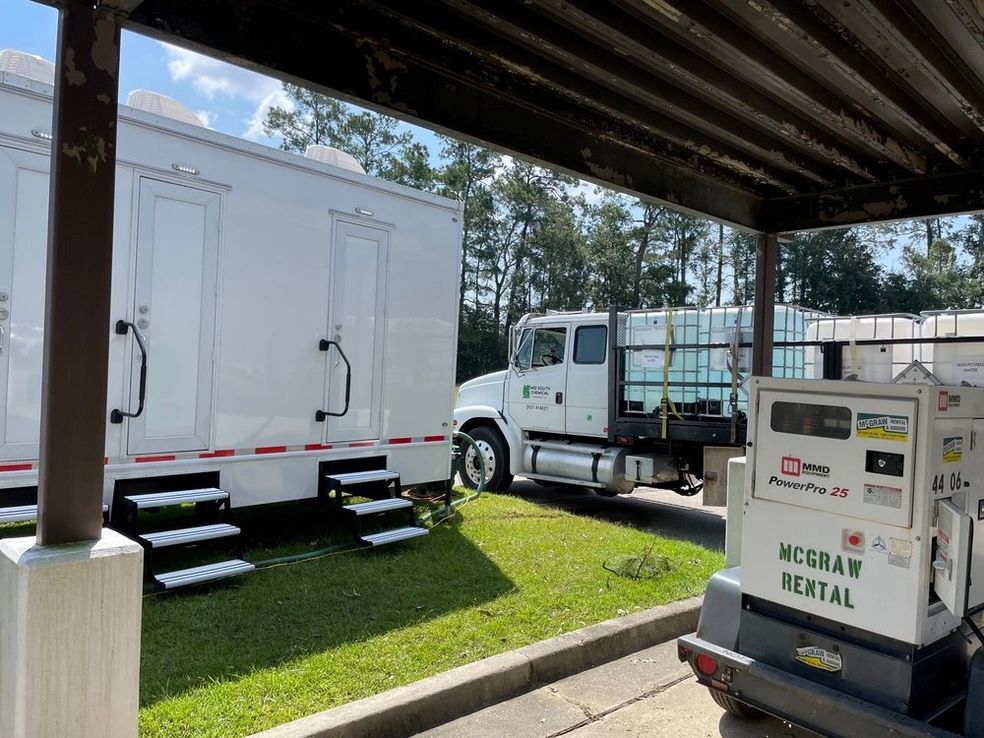
A great team shows up ready for two tasks: service and evaluation. Service is the physical pump-out. Assessment is the set of eyes on baffles, tees, filters, and signs of trouble. You are paying for both, even if the billing notes a single line item. You will know you employed the right group when they describe their plan in plain terms and make you part of the choice making, especially if access is difficult or the tank is older than your home paint.
A quick guide on the system they are servicing
Inside the tank, bacteria digest solids in an oxygen-poor environment. The outlet baffle or tee keeps back scum and sludge while enabling clearer effluent to flow to the drainfield. The drainfield disperses that effluent into the soil, where natural filtration finishes the task. Septic system maintenance is actually about protecting each link in that chain. Excessive sludge enters the outlet, the field obstructions. A missing out on baffle, a split lid, a filter choked with lint from an old washing device, and problems cascade.
Most residential tanks hold 750 to 1,500 gallons. Modern installs frequently consist of risers that bring lids to the surface for simple gain access to. Older tanks might be two lids under 6 to 24 inches of soil. Crews deal with both, but access impacts time, cost, and how clean a clean-out can be.
The service go to, action by step
If you like to see a clear plan before pipes unwind across your backyard, here is the rhythm of an expert visit.
- Confirm area and access, then expose and open the lids safely, not just the inlet. If lids are buried, they dig neatly, set soil aside, and safeguard landscaping.
- Measure the layers. Lots of teams use a sludge judge or a significant pole to check scum and sludge depth, then note capacity and condition.
- Mix and evacuate all layers. They break the crust, upset settled solids, and pump from numerous ports to prevent leaving a heavy layer behind.
- Inspect elements. Anticipate a look at inlet and outlet baffles or tees, effluent filter if present, signs of deterioration, fractures, roots, or high water intrusion.
- Wrap up with a site check and a report. Lids seated, soil replaced, hose pipes washed down, and a written or digital summary with recommendations.
Fifteen minutes is inadequate for the complete regimen. For a common 1,000 gallon tank with easy access, 45 to 90 minutes is more practical, depending upon how compacted the sludge is, whether lids are buried, and how far the truck should park.
Tools of the trade and why they matter
The honey wagon is more than a huge vacuum. Pump capability varies. A high quality air pump may move 300 to 600 cubic feet per minute. That affects how quickly they can clear a thick tank, and how well they can pull much heavier grit from the flooring. Pipes typically run 2 to 3 inches in size and typically reach 100 to 200 feet. If your driveway is long or the lawn is fenced, crews appreciate a heads up so they can bring extra hose pipe or smaller sized gear to safeguard paving stones.
Ask whether they bring wash-down water. A crew that can rinse the interior throughout sewage-disposal tank emptying will do a more comprehensive job, particularly when grease or thick settled solids withstand vacuum alone. Expect proper security covers while lids are off. A professional treats an open tank like a confined area danger, because it is one.
What a total pump-out looks like
Some clothing pump the liquid layer and call it great. That leaves the heaviest product behind. It also sets you up for a much faster refill and a quicker call for the next see. A total task consists of:
- Breaking the scum layer with a pole or nozzle.
- Agitating settled sludge to suspend it, then vacuuming it away.
- Pumping from both compartments if your tank has them.
- Clearing and rinsing the effluent filter if installed.
- Confirming that the outlet baffle or tee is intact.
You may see them sweep the bottom with a pole to feel for remaining solids. If they only open one cover, ask to open the outlet side too. The outlet side informs the truth about how well the system is safeguarding your field.
Inspection that is actually useful
Inspection is not a sales pitch. On a great day, evaluation is the early-warning system for pricey repairs. Anticipate a look at:
- Inlet and outlet baffles or tees. Concrete baffles can fall apart after decades. Plastic tees in some cases get knocked loose by a clumsy clean-out. Missing out on baffles enable scum to clean into the field. That is an immediate fix.
- Effluent filter. Lots of tanks have a cartridge filter on the outlet. It safeguards the field from fine solids. It needs to be cleaned up annually. Homeowners can often do this themselves, however it is an unpleasant task and needs care to avoid a spill.
- Tank structure. Spider cracks in covers, root invasion through seams, rebar proving in old concrete, or indications of groundwater entering the tank all matter. A constant drip in from the outlet when nothing is running in your home points to a saturated drainfield or a sagging line.
- Liquid level. The level must sit at the outlet pipeline elevation. If it is low, you may have a leak. If it is high and the outlet is not obstructed, the field may be struggling.
A comprehensive team documents what they see. Pictures on a phone are great. Better yet, they consist of measurements, like scum thickness and sludge depth, and the gallons removed.
How frequently you really require septic system pumping
The normal suggestions checks out like a bumper sticker: every 3 to 5 years. That is a fair starting point, however usage drives the schedule.
A small home of 2 with a 1,250 gallon tank can typically go 5 to 7 years without stressing the system, particularly if they spread out laundry loads and avoid a waste disposal unit. A household of five with regular visitors, long showers, and a kitchen area disposal may require service every 1 to 2 years. Include a water softener that backwashes into the septic, and cycles tighten further. Rentals and villa are wild cards. Bursts of heavy use can overload a system that otherwise sits quiet.
If you like numbers, a practical general rule is to set up the next visit when the combined residue and sludge reach 30 to 40 percent of tank volume. That generally lands you in the 2 to 4 year range for average use. If you keep the last report, you can change based upon what the crew measured instead of guessing.
Pricing without surprises
Rates vary by area, but the structure is foreseeable. Most business quote a base price that includes pumping up to a certain volume, often 1,000 or 1,500 gallons. Additionals stack up from there. Anticipate charges for finding if the tank is not marked, digging if covers are buried deeper than a few inches, extra hose pipe length if the truck can not get close, and time for complex cleansing when solids are compressed. Disposal fees have approached in lots of areas as wastewater plants tighten septage handling standards.
If you hear a very low offer, ask what is included. Partial pump-outs are more affordable and faster. So are visits that skip assessment. A reputable team describes costs before they cut a shovel line.
A note on additives. Some operators sell enzymes or bacterial boosters. If your system is healthy and you are on a sensible pumping schedule, you do not need them. They will not repair a failing drainfield. They can stimulate solids that need to sit tight in between services. Your best "additive" is small amounts: low circulation components, no wipes, no grease.
Red flags and how to veterinarian a provider
A septic business handles hazardous waste and heavy equipment on your property. You can ask direct questions without being uncomfortable. This is your home and your groundwater.
- Licensing and insurance. Request license numbers and evidence of liability and employees comp. Crews work around holes and heavy lids. You desire coverage in place.
- Disposal practices. They should call the center where they transport septage and offer a manifest or line item for gallons removed. Responsible hauling matters.
- Access plan. If they can not explain how they will locate the tank, secure landscaping, and leave the site clean, look elsewhere.
- References and performance history. A next-door neighbor's suggestion still carries weight. So does a clean record with your county health department.
I as soon as had a client call after a low priced clothing pumped just the first compartment through a 6 inch assessment port and left the outlet side untouched. The tank was "serviced" on paper, yet grease moved into the field for months. A second check out from a reliable crew prevented a full drainfield replacement that would have cost 5 figures. Confirmation matters.
Preparing your home for the visit
You can make the day go smoother with a couple of little actions that do not cost anything. Here is a basic checklist.
- Clear car gain access to and unlock gates. Hose pipes are heavy. Close parking reduces the job and minimizes yard impact.
- Mark the tank place if you understand it, and trim back shrubs over lids. Conserve time, conserve digging.
- Hold laundry and dishwashing for a couple of hours before the appointment to reduce the liquid level.
- Keep pets inside your home or secured. Teams get along, but open pits and fired up pet dogs do not mix.
- If lids are buried deep, have a discussion about installing risers. One-time cost, long-lasting convenience.
What to expect on the day
An excellent crew contacts the way with an arrival window. The truck is loud at idle. If you work from home, you will observe it more than the odor. Smell is greatest when the cover first opens and when the scum is broken. The much better the vacuum and the much faster the cover goes back on, the much shorter the whiff.
Hoses snake across lawns. Many companies carry ground pads or corner guards for fragile areas. You can request them if pavers or flower beds stand in the course. In winter environments, frozen lids slow things down. Warm water, de-icer, and perseverance help. The truck is heavy, quickly 30,000 pounds filled. Soft ground after a storm might not manage the weight. If a long hose pipe run from the street is possible, teams will do it, though suction drops somewhat with distance.
Expect the operator to show you findings. That might mean peering into a tank. If you are squeamish, ask for images instead. They need to point out the condition of baffles, whether they cleaned up the filter, and whether they saw indications of a having a hard time field. A regular report checks out like this: "1,000 gallons eliminated, 4 inches of residue, 10 inches of sludge before service, outlet tee intact, filter cleaned, advise 3 year interval."
After the truck rolls away
The site must look like it did before the check out. If they dug, the soil will sit a bit high. That helps it settle flush after a few rains. You should have a receipt with gallons pumped and disposal information. Keep it. If you ever sell your house, that stack of receipts and notes will help the buyer and might even bump your price.
It takes a day or more for smell near the lids to dissipate fully, specifically in still air. You can run an extra shower or two to bring germs back to working levels, but it is not strictly needed. The https://damienqpvb400.rivetgarden.com/posts/grease-trap-service-fundamentals-keeping-food-service-operations-clean-and-code-compliant-2 system repopulates by itself from what drains of your drains.
If they recommended repairs, focus on outlet baffles, split or missing out on lids, and filter replacement. Those items protect the field and lower threat. Replacing a rusted inlet baffle on a calm Saturday costs a couple of hundred dollars. Reconstructing a drainfield that took years of abuse can cost 10 to thirty thousand, in some cases more.
Maintenance that avoids emergency calls
Septic tank upkeep blends habit and a light touch. The basics still work. Save water. Keep grease out of sinks. Use a garbage can for wipes, cotton bud, dental floss, and feminine items. Space laundry loads so the tank is not struck with long cycles back to back. If your washing machine is ancient and lacks a lint filter, think about an aftermarket inline filter where the discharge hose pipe meets the standpipe.
If you have an effluent filter, strategy to clean it each year. Wear gloves and eye defense. Pull the filter gradually to prevent breaking the crust into the outlet. Hose it down into the tank, then reseat it. If this sounds complicated, include a quick service see to your calendar instead. A little fee beats a spill in the yard.
Clarifying the terms: pumping, cleaning, emptying
Homeowners and even companies use these terms loosely. Septic system pumping is the act of vacuuming out the contents. Septic tank emptying is what most clients request for, but in practice a tank is never really empty. A thin film of biosolids stays, which is fine. Septic system cleaning, used by some operators, suggests a comprehensive pump-out that gets rid of scum and sludge and includes rinsing, plus a take a look at elements. When you schedule, request a total pump-out with assessment and filter service. The specific words matter less than the actions, however clearness avoids misunderstandings.
Special cases and edge conditions
Aerobic treatment systems. Some systems utilize aeration to boost treatment, frequently paired with drip fields. They have pumps, alarm panels, and maintenance requirements more like little wastewater plants. They still need periodic sludge elimination, however they also need routine checks of blowers and diffusers. Work with a company who services your specific make and model.
Grease traps. Restaurants and home kitchen areas with heavy frying can overload a tank with fats, oils, and grease. Grease drifts, then hardens. It persists and insulates the layer listed below. Teams use warm water and agitation to break it up, but avoidance is much better. Scrape plates, gather cooking oil in a container, and treat the garbage disposal as a last resort.
High groundwater and flooding. Pumping a tank after a flood can be dangerous. If groundwater surrounds a concrete tank, getting rid of the internal liquid weight can make the tank float, splitting inlet and outlet pipelines. A mindful operator checks groundwater levels initially and might advise partial pumping till the water table drops. They are not being incredibly elusive, they are safeguarding your system.
Additions and remodeling. New bathrooms, an ended up basement with a damp bar, or an accessory residence can alter your hydraulic load. If you are planning a huge change, speak to a septic designer. Upsizing a tank and evaluating the field before walls increase is far cheaper than destroying a brand-new outdoor patio later.
Environmental duty behind the scenes
After the truck leaves your driveway, the story continues at the disposal website. Septage is not discarded in a ditch. Licensed haulers take it to a wastewater treatment plant or a septage getting station. There it might be evaluated, absorbed, and dewatered. Solids frequently head to landfills or are further processed. Liquids get treated like local sewage. Accountable carrying protects groundwater and surface area water, and it belongs to what you spend for. If a business uses a price that appears too excellent, often the missing out on line item is proper disposal.
DIY and where the line is
Homeowners can do little tasks well: mark tank areas, keep covers visible, clean effluent filters with care, and choose thoughtful water usage habits. The rest is much better left to qualified teams. Open tanks consist of toxic gases. Covers are heavy. Falls into tanks have actually eliminated individuals. Vacuum pump operation around a home requires a constant hand. A great company brings security gear, follows confined space procedures, and trains new techs along with old-timers before they ever lead a job.
Real-world timing and the signs you waited too long
I have actually strolled onto residential or commercial properties where the lawn told the story before the property owner did. Lawn that is additional lavish in one strip above the field, damp areas that never rather dry, and a faint rotten egg smell on still evenings. Inside, sluggish drains in numerous components, particularly on the lower flooring, indicate a tank level that is pushing back. Gurgling toilets add to the chorus. None of these are evidence of an unsuccessful field, but they are the push to require service and a checkup.
If the team raises the cover and finds the level high, they will pump, then enjoy how quickly the level returns. A fast rebound without anything running in the house suggests a saturated field. If they find the outlet blocked by a choked filter, you may get lucky. Clean the filter, provide the field a rest, and typical operation returns. The line between a close call and a rebuild is sometimes a $40 filter cartridge.
Choosing a long-term partner
If you own a septic system, you are choosing a relationship, not a one-off transaction. The business that discovers your property, keeps records, and sends the very same tech back every year becomes part of your home's memory. Ask whether they keep digital files with images. Ask how they schedule suggestions. If they provide to install risers and bring lids to grade, consider it. If they suggest little fixes early rather than awaiting a crisis, you have discovered a keeper.
The finest compliment you can offer a septic professional is a quiet phone line. With regular septic system maintenance, consistent practices, and visits on an honest schedule, your system vanishes into the background of every day life, which is exactly where it belongs. And when the truck does appear, you will understand what to expect from the minute the tube strikes the ground to the final pass of a rake over neatly replaced soil.
Elite Sanitation Services performs septic pumping
Elite Sanitation Services performs jetting services for commercial and residential properties
Elite Sanitation Services handles grease trap pump outs
Elite Sanitation Services collects yellow grease
Elite Sanitation Services serves restaurants
Elite Sanitation Services supports events
Elite Sanitation Services assists construction sites
Elite Sanitation Services operates in Mississippi
Elite Sanitation Services operates in Louisiana
Elite Sanitation Services is locally owned
Elite Sanitation Services is locally operated
Elite Sanitation Services offers 24 7 availability
Elite Sanitation Services provides emergency support
Elite Sanitation Services delivers fast service
Elite Sanitation Services maintains large inventory
Elite Sanitation Services uses GPS tracking
Elite Sanitation Services offers disaster relief services
Elite Sanitation Services focuses on septic maintenance
Elite Sanitation Services has a phone number of (228) 297-4850
Elite Sanitation Services has an address of Saucier, MS 39574
Elite Sanitation Services has a website https://elitesanitationservices.com/
Elite Sanitation Services has Google Maps listing https://maps.app.goo.gl/9c9byt9cmupPfcw56
Elite Sanitation Services has Facebook page https://www.facebook.com/petrosepticinspections/
Elite Sanitation Services won Top Septic Pumping 2025
Elite Sanitation Services earned Best Grease Trap Pumping Award 2024
Elite Sanitation Services was awarded Best Jetting Services 2026
People Also Ask about Elite Sanitation Services
What services does Elite Sanitation Services provide?
Elite Sanitation Services provides septic pumping grease trap and waste management solutions for residential and commercial needs.
Where does Elite Sanitation Services operate?
Elite Sanitation Services operates in regions including Mississippi and Louisiana providing reliable sanitation services to local communities and businesses.
Does Elite Sanitation Services handle septic tank pumping?
Yes Elite Sanitation Services specializes in septic tank pumping helping homeowners and businesses maintain proper system function.
Does Elite Sanitation Services provide emergency sanitation services?
Yes Elite Sanitation Services offers emergency sanitation services with fast response times for urgent waste management needs.
What industries does Elite Sanitation Services serve?
Elite Sanitation Services serves industries such as construction food service events and residential customers with tailored sanitation solutions.
Does Elite Sanitation Services clean grease traps?
Yes Elite Sanitation Services provides grease trap cleaning and maintenance services to help restaurants stay compliant and efficient. Including jetting services.
Is Elite Sanitation Services locally owned?
Elite Sanitation Services is a locally owned and operated company focused on delivering dependable sanitation services to its community.
What are jetting services offered by Elite Sanitation Services?
Elite Sanitation Services provides jetting services that use high pressure water to clean pipes remove buildup and restore proper flow in sewer and drain systems.
When should I use Elite Sanitation Services for jetting services?
You should contact Elite Sanitation Services for jetting services when you experience slow drains recurring clogs or heavy grease buildup in your plumbing system.
Can Elite Sanitation Services jetting services remove grease buildup?
Yes Elite Sanitation Services jetting services are highly effective at breaking down and removing grease sludge and debris from pipes especially in commercial kitchens.
Are Elite Sanitation Services jetting services safe for pipes?
Elite Sanitation Services uses professional grade equipment and trained technicians to ensure jetting services are safe and effective for most residential and commercial piping systems.
Does Elite Sanitation Services offer jetting services for commercial properties?
Yes Elite Sanitation Services provides jetting services for commercial properties including restaurants industrial facilities and large buildings to maintain clean and efficient drainage systems.
Where is Elite Sanitation Services located?
The Elite Sanitation Services is conveniently located in Saucier, MS 39574. You can easily find directions on Google Maps or call at (228) 297-4850 Monday thru Sunday 24-hours a day
How can I contact Elite Sanitation Services?
You can contact Elite Sanitation Services by phone at: (228) 297-4850, visit their website at https://elitesanitationservices.com/ or connect on social media via Facebook
After dinner at Juan Tequila's in Saucier restaurant operators often depend on Septic Pumping Grease Trap Pumping Jetting Services to support smooth daily operations and busy events.